PROAVIA - French Airport & Air trafic management Solutions

Éléments
Image
Image
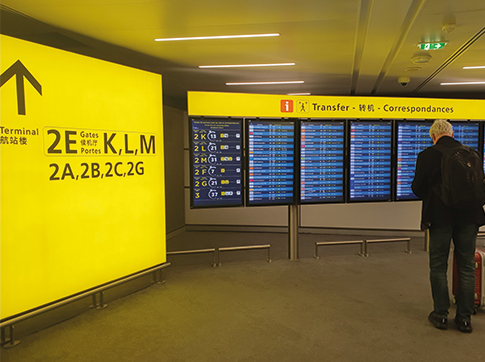
FLIGHT INFORMATION DISPLAY AT AN INTERNATIONAL AIRPORT
Titre
For 50 years, worlwide, PROAVIA has connected French expertise with airports + ATM
Couleur
Cyan
Version mobile uniquement
Off
Image
Image
Runway visual aids
Titre
Our members design smart + safe + sustainable solutions for airports & ATM.
Couleur
Rouge
Version mobile uniquement
Off
Image
Image
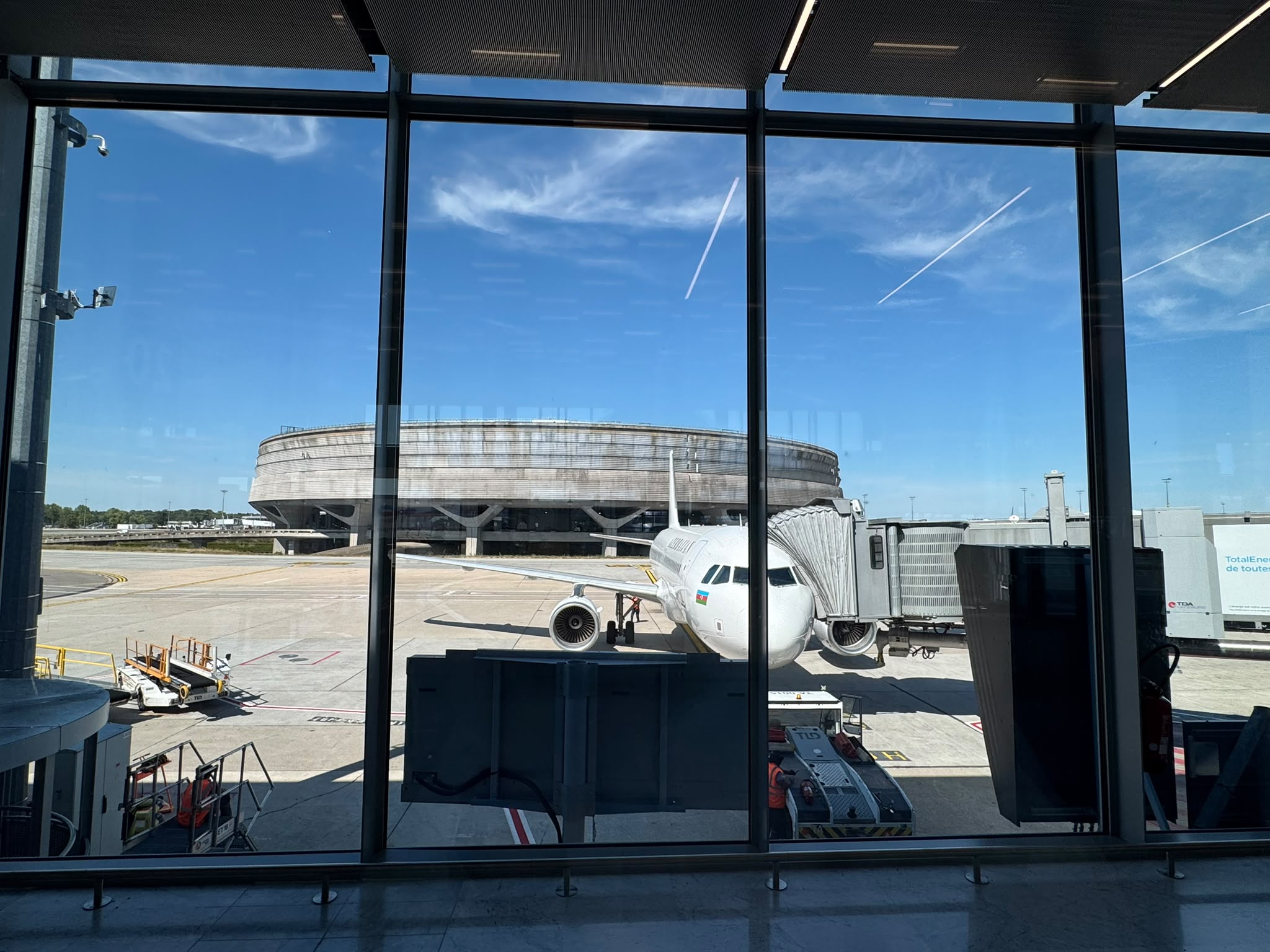
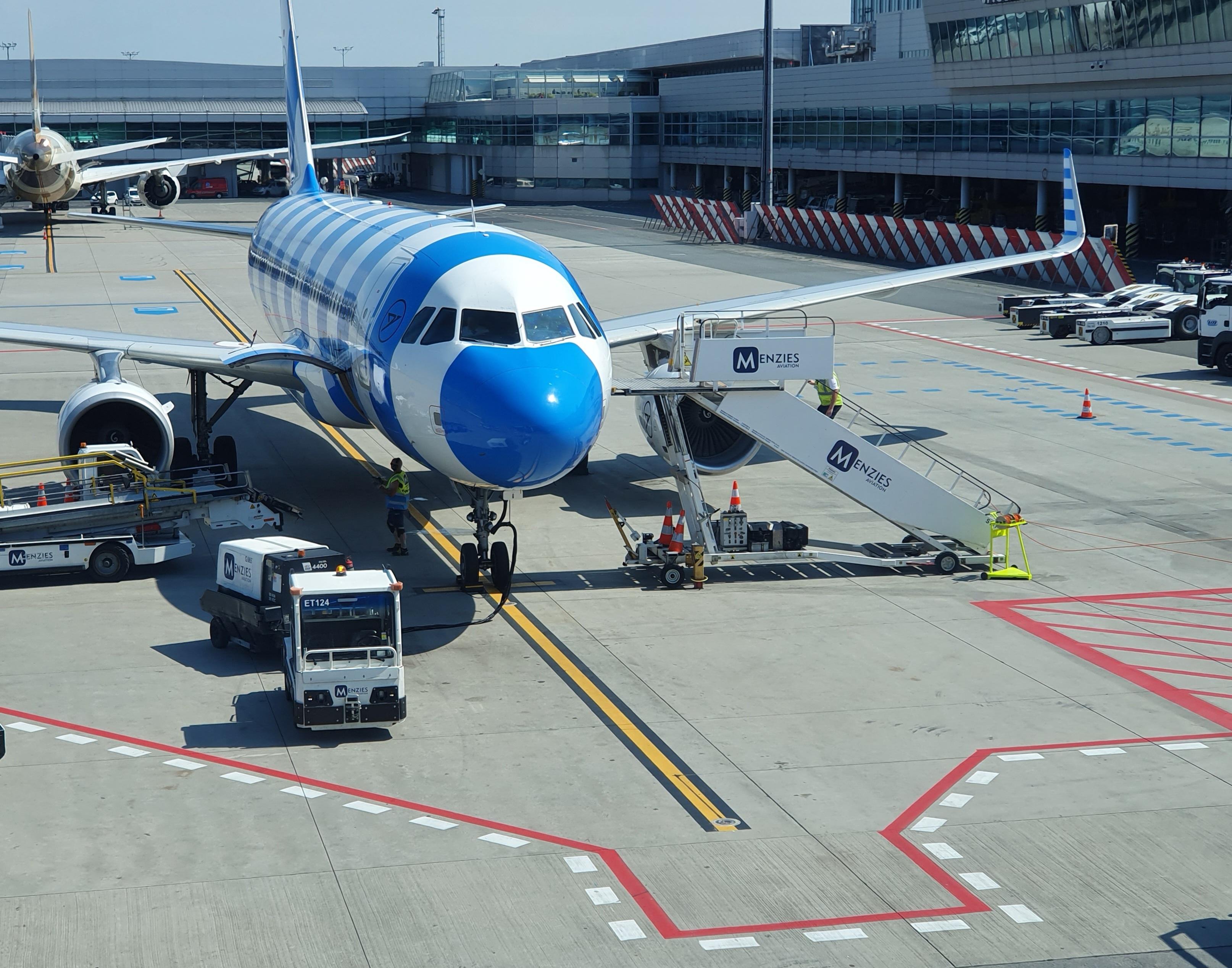
aircraft at the airport apron
Titre
PROAVIA boosts members’ visibility + opportunities across international airport markets.
Couleur
Vert
Version mobile uniquement
Off
PROAVIA
SINCE 1976
SOLUTIONS FOR
AIRPORTS & ATM

Access French Expertise for your airport and ATM projects

PROAVIA member's airports and air traffic management solutions are focusing on improving operational efficiency, enhancing safety, security and resilience, accelerating environmental sustainability, and delivering a better passenger experience.

Identifying the right suppliers can be complex. That’s where PROAVIA comes in!

50 YEARS OF EXPERIENCE · INTERNATIONALLY RECOGNIZED EXPERTISE


OUR COMMITMENTS

Safety & Security
Safety and security are at the heart of airport & ATM
  • Protecting passengers, staff and aircraft 
  • Enhancing airside safety with air navigation aids, meteorological systems 
  • Strengthening airport resilience through cybersecurity, counter-drone solutions, supervision
Efficiency
Making airports smarter and smoother
  • Optimising airport infrastructure and asset performance 
  • Improving passenger flow and airport processes   
  • Driving smart airport innovation 
  • Enhancing overall airport performance 
Sustainability
Supporting airports’ sustainable transition
  • Reducing airport environmental impact 
  • Supporting airport decarbonisation 
  • Improving resource management and climate resilience 
  • Driving greener airport operations 
pax experience
Improving comfort, flow and accessibility
  • Passenger-centric airport design 
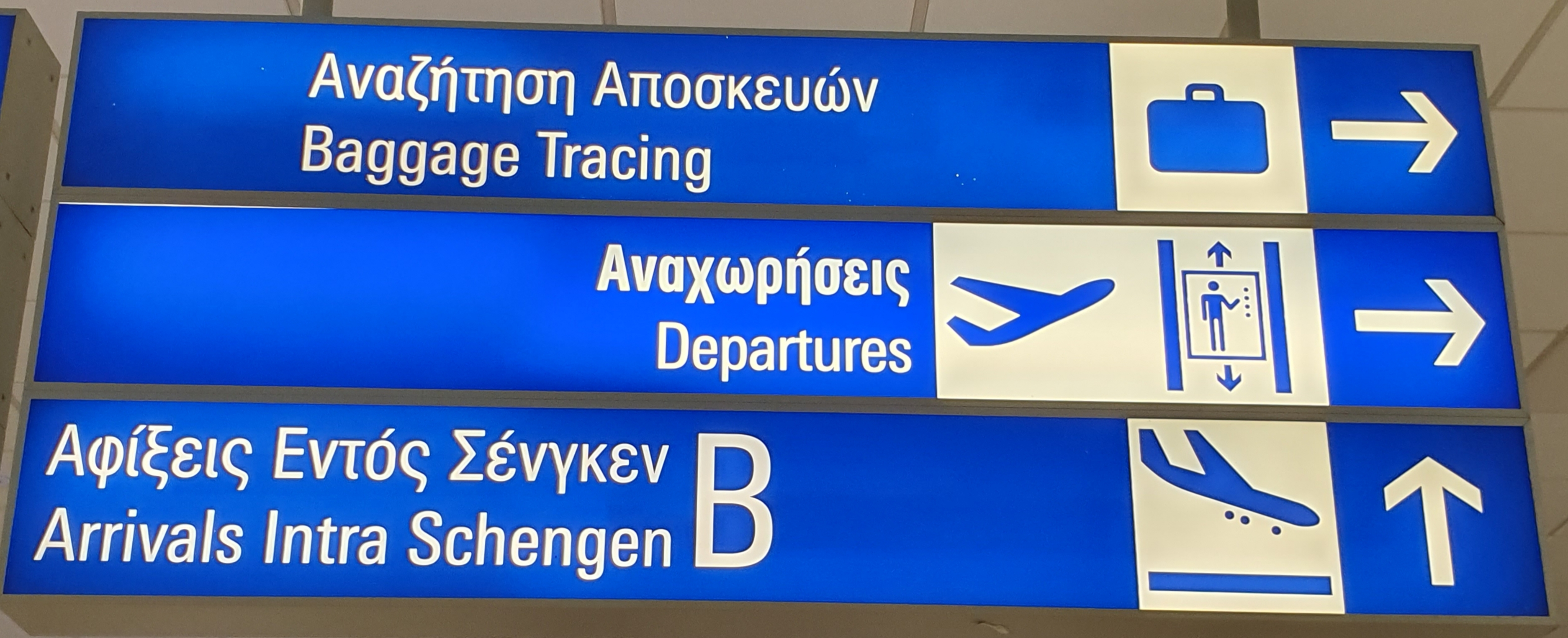
  • Wayfinding, signage and passenger flow solutions 
  • Accessible airport services for PRM, and all passengers  
  • Retail environments 
Our news
Monterrey International Airport boosts its energy transition strategy through the installation of approximately 15,000 solar panels across available areas within the airport, as well as the expansion of its energy storage system, increasing its capacity from 9 to 49 MWh.Monterrey, Nuevo León, September 24, 2026 - Grupo Aeroportuario del Centro Norte (OMA) announced a decisive step forward in its decarbonization journey with the installation of a large-scale solar park and the expansion of its battery energy storage system at Monterrey International Airport.During OMA and VINCI Airports' Environment Week, company executives explained to employees that these initiatives further strengthen OMA's position as a leader in airport sustainability in Mexico and demonstrate continued progress following the achievement of its ambitious climate targets for 2025.A Greener Energy Future: Monterrey International Airport at the ForefrontMonterrey International Airport is developing a clean energy generation hub. The site will accommodate approximately 15,000 high-efficiency solar panels, generating 8.7 MW of capacity and producing 12.8 GWh of clean energy annually. This capacity is enough to:Provide electricity to approximately 7,000 Mexican households for one year.Avoid approximately 5,600 tons of CO₂ emissions, equivalent to taking 1,200 vehicles off the road.Complementing this infrastructure, the airport's Battery Energy Storage System (BESS) will be significantly expanded. In addition to the current 9 MWh capacity, 40 MWh of additional capacity will be added, bringing the total to 49 MWh. This expansion will allow the airport to:Optimize energy consumption by reducing demand during peak hours and intelligently managing the energy generated.Ensure operational continuity by providing robust backup power for critical loads.Provide storage capacity equivalent to the simultaneous charging demand of 800 electric vehicles, supporting the transition toward more sustainable mobility.This combination of large-scale solar generation and advanced energy storage positions Monterrey International Airport among the first airports in Mexico to advance toward energy independence based on renewable sources, establishing a model that can be replicated across the industry.Track Record and Commitment to SustainabilityThis ambitious project is part of OMA and VINCI Airports' strong environmental strategy. OMA surpassed its 2025 climate target, achieving a 55% reduction in CO₂ emissions per passenger in 2023, compared with the 48% reduction target established for 2025. This achievement was supported by the implementation of several initiatives, including the use of renewable energy, LED lighting systems, high-efficiency air conditioning equipment, and comprehensive waste management across its airports.To further strengthen this commitment internally, OMA and VINCI Group hosted Environment Week this week, an event focused on training and raising awareness among employees. With the participation of experts from Enerion, World Resources Institute, and Global Zero Waste, the initiative aims to strengthen the culture of sustainability and knowledge of responsible environmental practices.Looking AheadThe installation of the solar park and the expansion of the battery energy storage system are key pillars of OMA and VINCI Airports' vision for more resilient and efficient airport infrastructure. OMA and VINCI Airports reaffirm their commitment to investing in technologies and processes that minimize environmental impact and contribute to a more sustainable future for aviation.This press release was sourced from OMA on 23-Sep-2026.
New travel industry coalition calls for EU Digital Omnibus to enable secure, seamless biometric journeysCoalition seeks an effective and fair EU approach for responsible biometric travel to protect passenger choice, privacy and fundamental rights.Brussels: ACI EUROPE, Amadeus, IATA, IDEMIA Public Security and SITA today announced the formation of the Responsible Biometrics Travel Industry Coalition, calling on EU policymakers to ensure the Digital Omnibus actively supports the voluntary and secure use of biometrics in travel while protecting passenger choice and privacy.The coalition is seeking a balanced regulatory approach that enables a more efficient and convenient experience for air travellers and maintains strong safeguards around the responsible use of biometric technologies.The Digital Omnibus is intended to simplify Europe's digital rulebook, support innovation and strengthen competitiveness. It also preserves high standards of data protection and cybersecurity. Yet the legislative proposal could place unintended restrictions on the voluntary use of biometrics by passengers across Europe.The coalition is urging policymakers to ensure the Digital Omnibus preserves passenger choice and allows citizens to benefit from the opportunities that biometrics can offer.Why biometrics matterBiometrics make travel more seamless for passengers and deliver significant operational benefits for airports and airlines. By reducing repeated manual document checks, biometric verification increases throughput, improves passenger flows and helps airports use existing terminal infrastructure more efficiently. It also helps airports better manage peak periods and traffic growth, allowing staff to focus on passengers who need assistance or additional attention.Combined, these benefits boost Europe's competitiveness by promoting efficient, well-connected airports and innovation across the travel and technology sectors. A clear regulatory framework can encourage continued investment and enable European technology companies to innovate and scale trusted solutions in their home market.To unlock the full potential of biometrics in European air travel, the coalition calls for the Digital Omnibus to adopt technology‑neutral rules that allow the voluntary use of biometric data (where appropriate safeguards are in place) and offer passengers non-biometric alternatives.Protecting privacy and passenger choiceThe coalition firmly believes the benefits of biometrics should go hand in hand with strong protections for passenger privacy and passengers' ability to choose whether to share or request to delete their data at any time. The use of biometric solutions should be voluntary, secure and limited to a defined journey.Research cited by the coalition found that 74% of travellers surveyed were willing to share biometric data in place of showing a passport or boarding pass, according to IATA's Global Passenger Survey.Manifesto"EU policymakers have the opportunity to put Europe in the global lead on biometric regulation. The benefits of the latest technologies are clear: they can protect passenger data privacy and open a more seamless and efficient travel process. This will enhance the region's overall competitiveness. At the same time, biometric journeys should always be based on passenger choice and voluntary participation.Today we are publishing a manifesto that cements industry commitments to responsible use of biometrics and sets out a regulatory call for action to adopt rules that facilitate a secure and seamless future for more than a billion European air travellers each year," the Coalition said.The Coalition includes senior representatives from each member organization: Olivier Jankovec, Director General, ACI EUROPE; Fernando Cuesta, Senior Vice President, Industry Affairs Global Development, Amadeus; Thomas Reynaert, Senior Vice President, External Affairs, IATA; Lisa Shoemaker, Senior Vice President, Corporate Relations, IDEMIA Public Security; Pedro Alves, Senior Vice President, Borders, SITA.The 'Advancing Responsible Biometrics in Europe' Manifesto outlines a balanced, evidence-based approach to biometric technologies with the aim of:Supporting public-private dialog on biometrics to help Europe respond to growing passenger volumes and limited airport capacity, while strengthening the competitiveness of its transport and tourism sectors1.Promoting greater legal clarity around the use of biometric data to facilitate the responsible deployment of technologies that can bring tangible benefits to travellers.The coalition brings together expertise from across the travel ecosystem to provide practical insights and engage with policymakers and regulators. Coalition members believe that continued collaboration between industry and public authorities will be essential to maintaining Europe's high standards of privacy and fundamental rights while enabling future innovation in travel.1 ICAO forecasts that global air passenger traffic will reach 12.4 billion passengers annually by 2050, nearly three times 2024 levels. Digital identity and biometric technologies can help airports process growing passenger volumes more efficiently, make better use of existing infrastructure and support a secure, seamless passenger experience.This press release was sourced from ACI EUROPE on 30-Sep-2026.
New Lisbon airport: VINCI Airports reaffirms its commitment to the development of the Portuguese economyA key milestone has been reached for New Lisbon Airport: the engineering, cost and construction report has been submitted to the Ministry of Infrastructure and Housing on schedule.Submission of the Environmental Impact Assessment before the end of July.Continuation of an investment program dedicated to the modernisation of airport infrastructure in the Portuguese network.Share on:ANA – Aeroportos de Portugal, a subsidiary of VINCI Airports, submitted the Engineering, Cost and Construction Report for the new Lisbon Luís de Camões airport to the Ministry of Infrastructure and Housing on July 16, 2026. This document consolidates the results of the preliminary design studies: functional program, operational capacity, multimodal connectivity, and long-term structural solutions.By the end of the month, the final Environmental Impact Assessment will be submitted to the Portuguese Environment Agency (APA) and the Government, in accordance with the schedule stipulated in the concession agreement. Following the evaluation of these documents by the relevant authorities, the detailed design and architectural phase will begin.With the submission of these two reports, ANA and VINCI Airports reaffirm their commitment to creating Portugal's new international gateway, offering a modern, competitive and sustainable airport solution that serves the country's economic development.The ongoing and planned investment program by ANA and VINCI Airports is dedicated to modernizing airport infrastructure across the entire Portuguese network. This includes, in particular: in Lisbon, the new south pier and the renovation of the central pier, the south aircraft parking area of Terminal 2, and the border control area; in Porto, the complete rehabilitation of the runway, the airport operations control centre, and the modernization of the terminal; and expansion and modernisation work in Faro in the Azores and in Madeira.The design of the new Lisbon airport continues this commitment and mobilises a multidisciplinary team of more than 250 engineers, specialists, technicians and environmental professionals.Designed to become an international benchmark, Luís de Camões Airport will combine cutting-edge technology, operational innovation, and environmental sustainability. With a capacity to handle 56 million passengers per year upon opening, the airport will support the growth of air travel in Portugal for decades to come. Aiming to be among the most advanced airports in the world, it will include two runways, 120 aircraft stands, 194 self-service check-in kiosks, a passenger terminal of approximately 500,000 m², and innovative technological solutions to optimise operations and reinvent the passenger experience.The airport will be integrated into a multimodal network including the third bridge over the Tagus, the high-speed rail network and new road connections, thus strengthening its territorial connectivity.This press release was sourced from VINCI Airports (VINCI Concessions) on 21-Jul-2026.
SYSTRA France has been awarded the technical project management assistance contract (AMOT) for the future airport in Mayotte, a French overseas territory in the Indian Ocean, acting as lead partner of a consortium bringing together Aéroport de Nice, Mzé Conseil, BRL Ingénierie, Neo-Eco and Ekium.Commissioned by the French Ministry of Transport, through the Directorate General for Civil Aviation (DGAC) and the Air Transport Directorate (DTA), the assignment will run from 2026 to 2030 and will support the project from its preparation phase through to contract finalisation.A long runway to secure air linksIncluded in the planning law for the rebuilding of Mayotte adopted in summer 2025, the future airport accounts for around 40% of the funds allocated under this law to the territory's priority investments. Located on the proposed Bouyouni M'Tsangamouji site, in the northwest of Grande-Terre, it is intended to provide the archipelago with a long runway suitable for long-haul flights and pave the way for more direct connections with mainland France and international destinations.The stakes are high for Mayotte. The current Dzaoudzi-Pamandzi airport, located on Petite-Terre, has a runway that is too short to allow wide-body aircraft to take off at full load, requiring technical stopovers in Kenya and extending journey times. Since the emergence in 2018 of an underwater volcano 50 km from Petite-Terre, the island has experienced 400 micro-earthquakes per month and has subsided by 19 cm, according to the French Geological Survey (BRGM). These developments further reinforce the need to prepare an airport facility that is sustainably adapted to the territory's needs.Long considered, the extension of the existing airport was ultimately ruled out because of geological, urban, environmental and operational constraints. The choice of Bouyouni M'Tsangamouji, on Grande-Terre, would allow the future infrastructure to be developed on a less exposed site. It is estimated to cost around one sixth of an extension to the current platform, while also reducing the environmental footprint.A four-year support assignmentThe AMOT assignment entrusted to the consortium is intended to support and secure the project's next stages. SYSTRA France will first contribute to the technical framing of the contractual structure, helping the project owner clarify the key choices, interfaces, overall project schedule and conditions for project implementation.The teams will also work on the preliminary technical analyses required to prepare the operation. This work will help inform the project programme considering its environmental, landscape, urban and airport-related challenges, as well as issues related to the circular economy, reuse and recovery of materials, accommodation needs and aviation fuel supply.The agricultural component will receive specific support, including coordination of a monitoring committee, dialogue with farm operators, preparation of baseline assessments and assistance with the relocation of the affected farms. It will also include defining compensation measures, future facilities and collective compensation arrangements to be submitted to the competent authorities.Another component will focus on the current Dzaoudzi-Pamandzi airport. The consortium will carry out an assessment of the existing platform to identify the adjustments needed to maintain continuity of service until the new facility enters operation.Finally, SYSTRA France will support the future tendering procedures, whether for a concession contract or a design-build contract. The assignment will cover preparation of the tender documents, technical analysis of bids, support for juries and negotiations, and then the finalisation of contracts.The first preparatory works are expected to begin in 2027. The new airport is scheduled to welcome its first passengers by 2036.Our ambition is to provide the State with high-level technical project owner support, capable of combining strategic vision, operational excellence, local roots and risk management to turn this public ambition into a tangible reality.Sébastien Mercier, Project Director for the Indian Ocean, SYSTRA FranceA structured local presence in the Indian OceanSince opening its office on Réunion Island, another French overseas territory in the Indian Ocean, SYSTRA France has gradually strengthened its foothold across the region. Opened in 2023, the office now has six permanent staff members based in Saint-Paul and Saint-Pierre.This local presence makes it possible to cover a broad range of assignments, including mobility studies, transport economics, infrastructure project management, regulatory procedures, project delivery support, scheduling, coordination and supervision, public consultation, and support for contracting authorities. It also relies on a network of local partners, mobilised according to the needs of each project.This press release was sourced from SYSTRA on 12-Jul-2026.
Our events
See +
Testimonials
Christel Barel

A BENEFICIAL AND FRIENDLY NETWORK

Proavia is an excellent showcase of our French expertise in the airport sector with real field actions.

Christel Barel, APAVE

Why join PROAVIA?
1

Links with the airport ecosystem and ATM

2

Increase of members international visibility

3

Projects, contacts and market trends intelligence 

4

Knowledge sharing and collective expertise

5

Exhibitions and international trade missions 

Become a member